
Most of the time, having no place to position themselves on the dental arch, the wisdom teeth remain trapped in the jaws under the gum or in the bone. When they are partially erupted, the space between the wisdom tooth and the gum allows for development of bacteria and eventually causes infections.
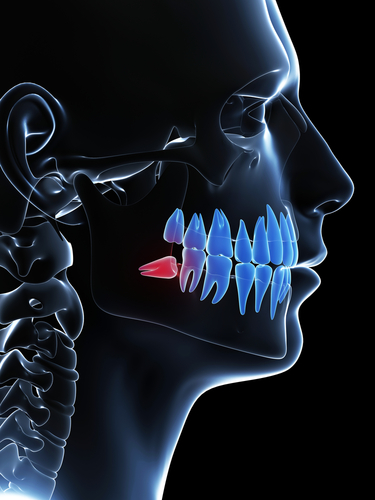
This leads to various problems such as:
- Pain, swelling and suppuration (also called pericoronitis)
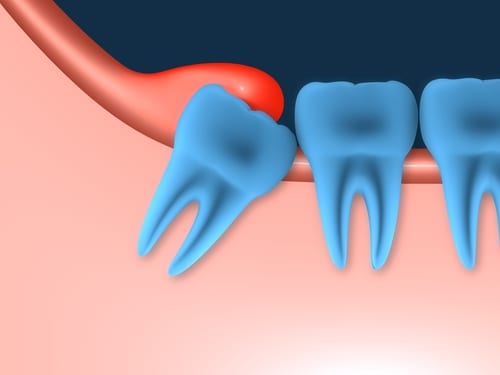
- The pressure exerted by the erupting wisdom tooth on other teeth can move them and disturb their natural alignment after orthodontic treatment.
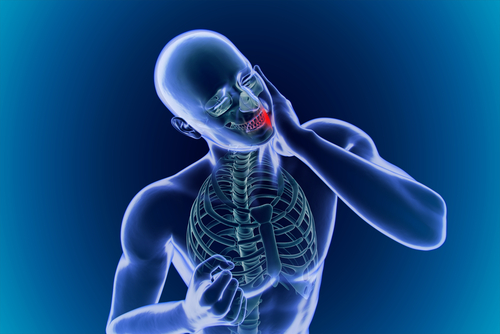
- A headache, or pain radiating in the jaw or neck
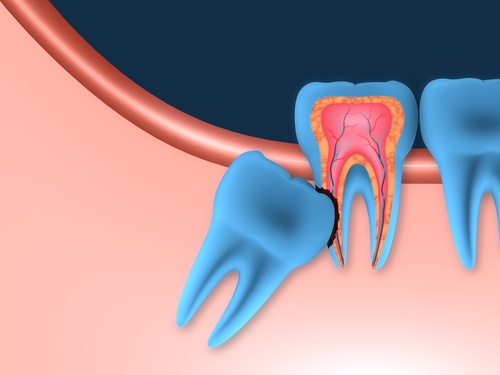
- Damage to adjacent teeth (caries, periodontal disease)
- Large cysts or pseudo-tumors can also develop and cause bone loss in the jaw.
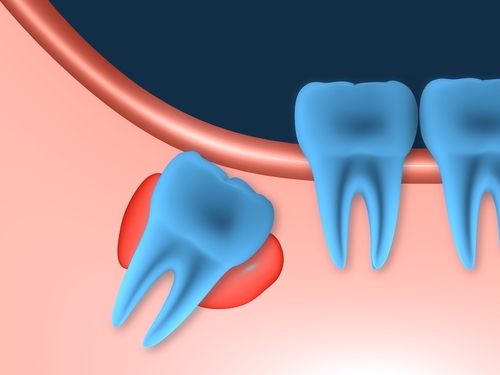
This is why it is generally recommended to remove the wisdom teeth in order to avoid these kinds of complications. In our experience, the best time to perform this procedure is in young people between 15-18 years of age, when the root is not yet completely closed, which greatly reduces the operative risks and ensures a rapid and uncomplicated procedure.